fabstract-clothing-04_f0b8fd01-67dd-4def-ad24-d17cd643a07a.jpg

The Problem

The fashion industry is known for modern slavery, toxic dyes in rivers, a huge amount of waste and poor wages for garment workers.

Nobody wants that.

But £80 for a sustainable T-shirt?! Nobody wants that either.

And not buying clothes isn’t an option either (nobody wants to see that).

So we started Yes Friends to make ethical clothing affordable and transform the fashion industry.

What we're doing differently

If Yes Friends did a PhD, this would be our thesis.

The Deep Dive

  • The Yes Friends Bonus

    We run a pioneering bonus scheme for garment workers, to ensure they receive a good wage. It's why we do what we do.

    For Yes Friends garments, we pay an additional bonus directly to the garment workers at our tier 1 suppliers. This means they are paid a good wage for every Yes Friends product the make.

    Did you know? Adding as little as 10p to the price of a T-shirt can increase workers wages by a whopping 50%. Sounds like magic, but it’s just maths. Magic Maths.

    The bigger we get, the bigger impact we can have.

    Read about the impact the Yes Friends bonus is having here.

    How do we calculate the Yes Friends bonus?

    Our goal is that every garment worker across the fashion industry is paid a living wage.

    Currently, the vast majority of factories do not pay a living wage (even the good ones who have industry leading ethical certifications like Fair Trade USA and GOTS!). Therefore, in order to ensure that our garment workers receive a good wage, we've set-up a pioneering wage scheme at our tier 1 factories where we pay a bonus for every item we make, which goes directly to garment workers.

    Here's how the scheme works and how we calculate the bonus for workers.

    First, we find out what the lowest paid workers wage is. We then calculate how long it takes a worker to make each of our garments. We then look at a range of living wage calculations, including what trade unions are asking for and reports from the Global Living Wage Coalition. We adjust these figures for inflation and cost of living differences between the location of the reports and the areas where we are producing, to determine the living wage for that area.

    Using all this information, we look at the difference between the lowest paid workers wage and the living wage and work out how much extra per garment we will need to pay, to pay our part towards a living wage. We then send this bonus to our factories (alongside any customer tips!) and they are distributed evenly among the workers at our cut & sew factories.

    So far, we've raised over £25,000 directly for garment workers. The bigger we get, the bigger impact we can have. We're small right now, but our goal is to gain enough buying power to ensure that all workers receive a living wage.

  • We are the first UK brand to allow customers to tip their garment workers directly! 100% of your tips go directly to garment workers.

    Here's how it works with each of our manufacturers:

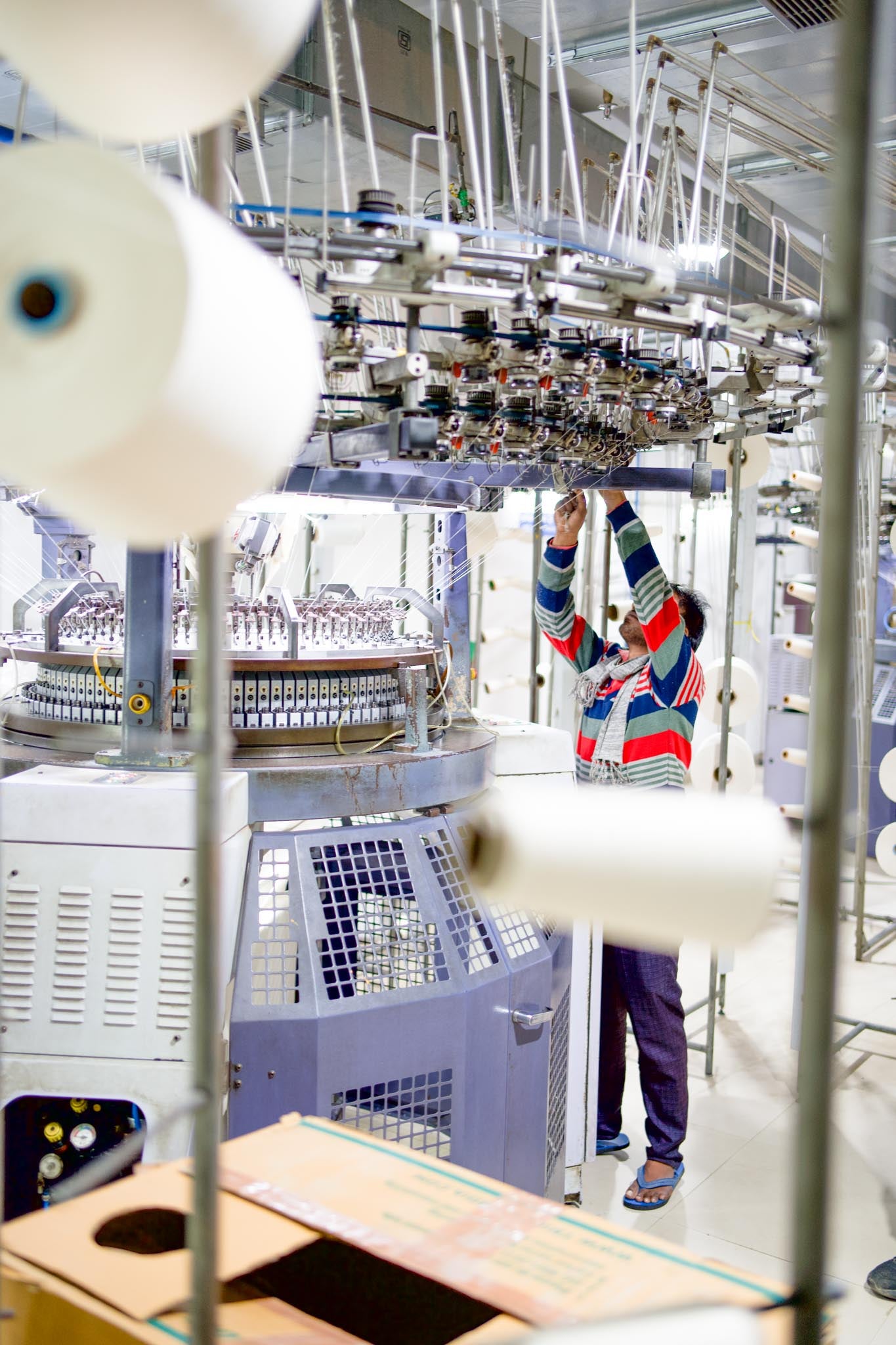
    Fabstract Clothing
    Tips at Fabstract are distributed equally among the workforce who have worked on Yes Friends products. They are paid via payroll and we receive all the payslips as well as testimonials from garment worker to verify these have been paid.

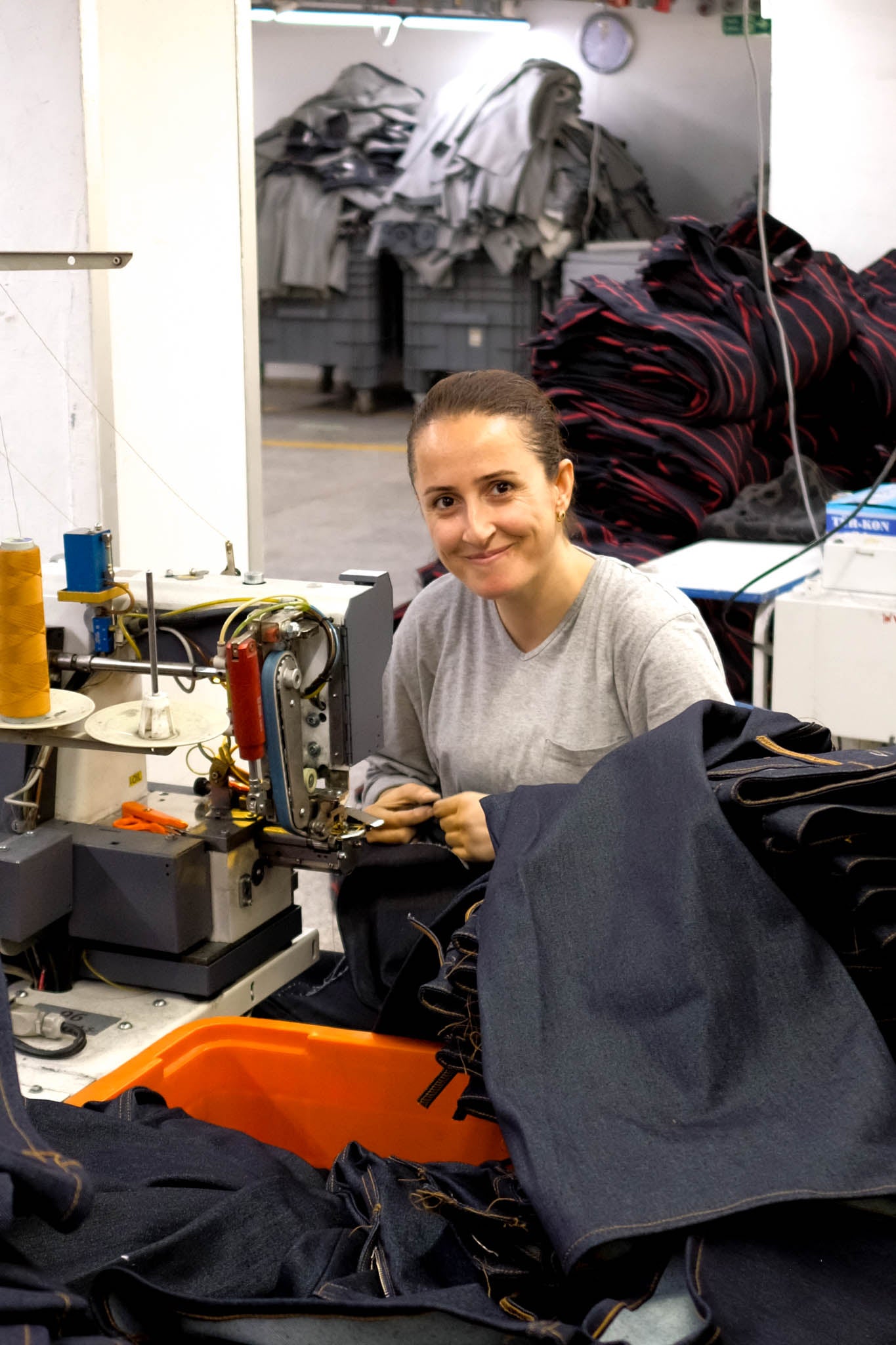
    SARP Jeans
    Tips at SARP are distributed equally among the workforce earning below a living wage. They are paid via grocery gift cards (as this is how the garment workers asked to be paid, as this provides a tax benefit). We receive signatures from each garment worker to ensure these gift cards have been received.

    What happens if you order multiple products?
    If you order multiple products, we distribute tips based on the value of the products you ordered from each of our manufacturers.

  • Solar Powered Factories

    Both our partner factories are solar power assisted, reducing the use of CO2 during production. 

    Our primary factory in India where all our current range is made (minus hoodies) gets 50% of its energy from solar power and the rest from non-polluting natural gas. They also have a humongous battery so that during power cuts they aren't reliant on polluting diesel generators. 

    Organic Cotton 

    We only use organic cotton which produces 46% less CO2 than conventional cotton.¹

    ¹https://www.soilassociation.org/certification/fashion-textiles/benefits-of-organic-certification/

  • We only use organic cotton. It's a win, win, win, win.

    One. Organic cotton is primarily rain-fed, reducing the need for water irrigation.¹

    Two. Most of our organic cotton is grown, spun, knitted, cut & sewn in India. So it’s not trekking around the world from one factory to another racking up carbon miles.

    Three. We don’t use pesky pesticides or toxic chemicals which means happy soil, happy farmers and happy skin.

    Four. Oh, and did we mention it feels like you’re wearing a cloud? ⛅️

    Fairtrade Cotton
    Where we can we also work with Fairtrade cotton to improve the lives of cotton farmers. Look out for the FAIRTRADE Cotton Mark on our product pages.

    Fairtrade cotton ensures that all cotton farmers receive the Fairtrade Minimum Price and the Fairtrade Premium (an additional sum of money which goes into a communal fund for workers and farmers to use – as they see fit – to improve their social, economic and environmental conditions).

    ¹https://store.textileexchange.org/wp-content/uploads/woocommerce_uploads/2019/09/TE-Material-Snapshot_Cotton-Organic.pdf

    A little more detail 👇

    How much of the Yes Friends collection uses organic cotton?
    All of our range is made using organic cotton. Most Yes Friends products use 100% organic cotton. The least amount of organic cotton we use in a product is 95%, which is combined with 5% elastane to give a little stretch.

    Are Yes Friends products Fairtrade certified?
    The majority of Yes Friends products are made using Fairtrade cotton, lookout for the FAIRTRADE Cotton Mark on our product pages to check if a particular product is made using Fairtrade cotton.

    Are Yes Friends products GOTS (Global Organic Textile Standard) certified?
    We've always bought organic cotton and our manufacturers are GOTS certified. All of the Yes Friends products have been made to the GOTS standard and in May 2024 we started certifying all new products with the GOTS logo. Lookout for the GOTS logo on our product pages to see which products have the GOTS certification.

  • We work with Fairtrade and GOTS certified factories to ensure good labour practices, you can read all about our recent visit to our primary factory (and the wedding of the factory owner's son!) here.

    We also have a Supplier Code of Conduct based on the Ethical Trading Intiative's Base Code which you can read here.

  • Our primary* factory in India where Yes Friends knit, cut & sew production takes place is water positive: 100% of water used is processed and recycled through either a reserve osmosis process or at the Effluent Treatment Plant onsite.

    They also have a rainwater harvesting system that recharges groundwater.

    Organic Cotton
    Organic cotton uses significantly less water than conventional cotton and isn't sprayed with toxic chemicals keeping waterways cleaner.¹

    *The factory where all of Yes Friends current range is made, minus hoodies.

    ¹https://www.soilassociation.org/certification/fashion-textiles/benefits-of-organic-certification/

  • All of our collection is dyed using GOTS certified dyes (Global Organic Textile Standard). We work with organic cotton and GOTS certified factories to avoid the use of toxic chemicals in production. 

  • Yes Friends exists to make ethical fashion affordable, whilst producing premium quality clothing that'll stand the test of time. A Ferrari for the price of a Fiesta.

    Here's how we do it 👇

    We buy in big quantities to get the best prices and miss out the retailer, passing the savings straight to you.

  • Reduce, reuse, recycle.

    Our factories recycle their offcuts from production processes and our primary* factory also use advanced software to make sure there is minimal waste when cutting garments.

    The factory where our hoodies were made also send the leftover dye mud to a cement factory to be recycled.

    *The factory where all of the Yes Friends current range is made, minus hoodies.

  • We do not use animal products in the making of Yes Friends clothing.

  • Who's checking?

    We work with a range of industry leading certifications to ensure our ethical credentials. We have also received the highest "Great" rating from independent ethical brand directory Good On You.

    Here's some of the certifications and organisations we and our suppliers work with:

    Fairtrade Cotton

    Fairtrade cotton ensures that all cotton farmers receive the Fairtrade Minimum Price and the Fairtrade Premium (an additional sum of money which goes into a communal fund for workers and farmers to use – as they see fit – to improve their social, economic and environmental conditions). Find out more here.

    Our Fairtrade cotton is labelled under the Fairtrade Labelling Organisation (FLO), licence no: FFLC0862

    Fair Trade USA

    Fair Trade USA audits ensure that working conditions are safe, the environment is protected and workers receive fair pay.

    Global Organic Textile Standard (GOTS)

    The world leading textile processing standard for organic fibres and ecological impact. This ensures all fibres are grown without any synthetic pesticides and are sustainably produced from farming, harvest, and textile processing. Find out more here.

    Sedex SMETA

    SMETA is the world’s most widely used social audit. It helps businesses understand the standards of labour, health and safety, environmental performance, and ethics at suppliers.

  • We are currently working with Fairtrade and GOTS to help trace our supply chain.

    When we launch new products, we also have internal discussions with our primary supplier about key additional suppliers they're working with to make Yes Friends clothing e.g. the supplier who makes the recycled waistbands for our boxers.

    If you'd like to know more details about the full supply chain for products, then do reach out. We'll either have the information to hand or we can find out what you'd like to know about our mills, screen printers, yarn suppliers etc!

    Over the coming years we'd like to find a good way of communicating this information with all of you, so you can see the full Yes Friends supply chain when buying from us.

  • From us to you

    We use compostable and biodegradable bags made from corn to keep your clothing safe and sound at our warehouse.

    We then package up all of your orders here at Yes Friends HQ in Bristol. We put them in our signature flaming hot orange bags made from 30% recycled plastic (they're also 100% recyclable and biodegradable!), ready to keep your clothing safe in transit.

    Royal Mail delivers our parcels and has the lowest reported carbon footprint per delivery of the major UK delivery services. We also work with Shopify to ensure all our deliveries to you are carbon neutral, you can read more about this here.

    From our factories to the UK

    We ship by sea wherever possible to keep our carbon footprint as low as possible.

    Sometimes when we need a shipment quickly it is not possible to ship by sea, so we use air freight. We are working on our planning and scheduling to make sure this happens as little as possible. 

    Our garments arrive in the UK in huge cardboard boxes which we then recycle or reuse to store stock.

Factory Partners

Any Questions?